I wanted to supercharge my brain by going for an ibogaine treatment. Ibogaine has become one of the psychedelics to gain much attention as of late. It is being touted as providing a powerful transformational experience for veterans, people addicted to opioids, PTSD, and traumatic brain injuries. Movies like the newly released powerful film In Waves and War as well as the compelling documentary DOSED highlight its incredible potential. People with neurodegenerative diseases such as Parkinson’s, MS, ALS can now seek out promising ibogaine treatment. Lesser known is the potential for ibogaine to be used to boost brain health for aging brains like mine.
My motivation to get ibogaine treatment for optimizing brain health is not unique. In the August 2025 New York Times article, a former US senator underwent ibogaine treatment with “the aim of preventing dementia of the sort that claimed her grandmother.” Several others who had undergone treatment said it could reverse neurodegenerative disorders and extend brain health.
To celebrate my 70th birthday, I thought a retreat with ibogaine to supercharge my brain and possibly stave off any potential dementia would be the most appropriate way to ring in a new phase of life! Part of my motivation was due to my husband’s Alzheimer’s. Not only did the prospect of Alzheimer’s prevention or any other form of dementia prevention seem logical, but learning about ibogaine personally would help me, as a trained microdosing coach, navigate a microdosing process for myself, my husband, and possibly others.
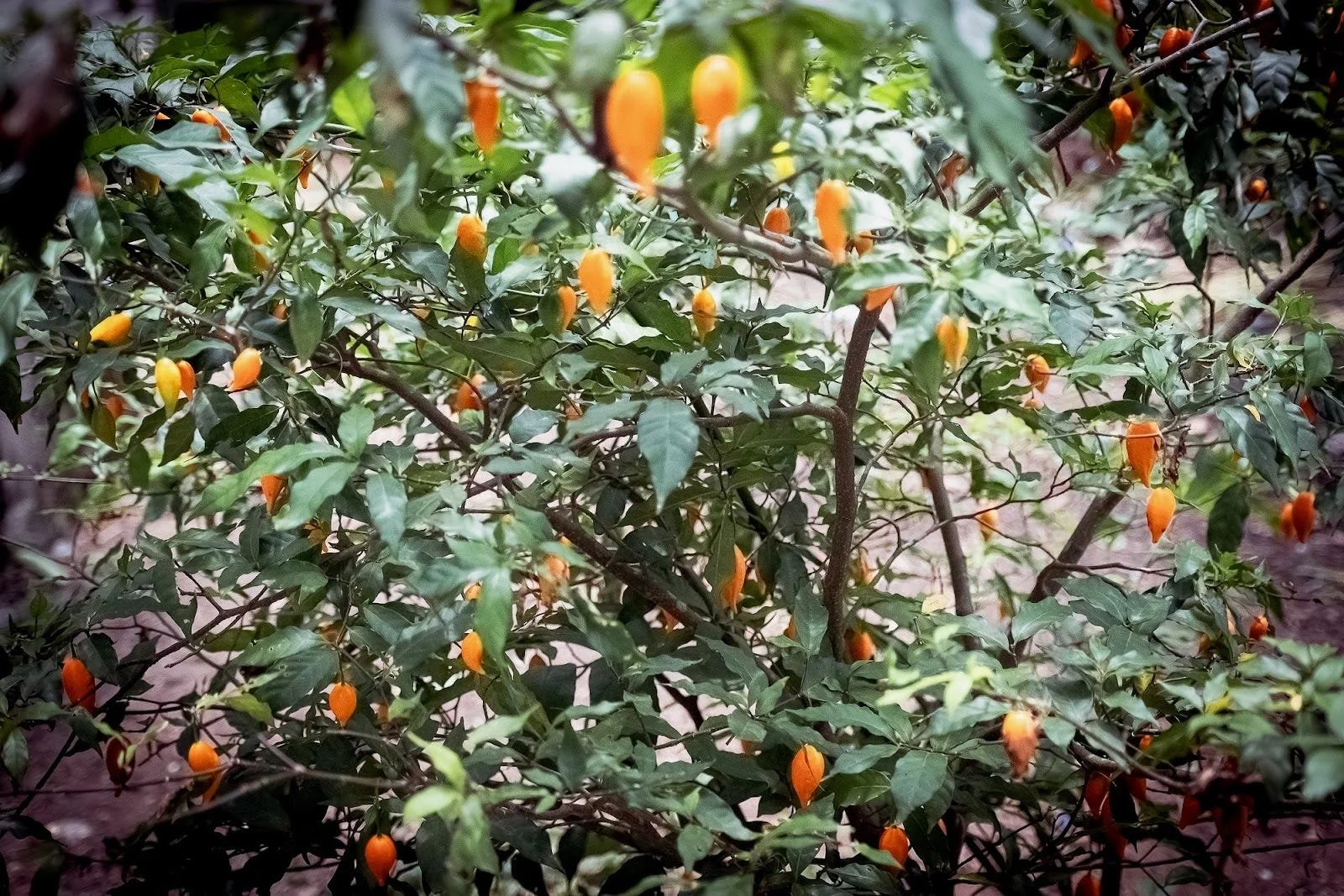
Ibogaine is derived from iboga. EYE-boga is the way it should be pronounced, though many people say EEEE-boga. Iboga is usually referred to as the African Tabernanthe iboga shrub, mostly found in Gabon. It has given rise to many Westerners being initiated and trained in its use. Iboga can also be derived from other plants such as Voacanga africana, found in South Africa and elsewhere. Some argue Voacanga africana can be more sustainably grown than Tabernanthe iboga, which is traditionally cared for in an artisanal way with a small plot for the village’s use in ceremony.
Iboga is a plant with a bark. So when taking iboga in ceremonial ritual, the bark is chewed and the fiber discarded. The total alkaloids in the iboga can be removed from the bark. When consuming the total alkaloids of the iboga without the bark, it is called iboga TA (total alkaloids). Consuming iboga with the total alkaloids produces an entourage effect; with up to 100 probable alkaloids, many of their properties still unknown or yet to be discovered. The main alkaloid is ibogaine. Ibogaine is the focus of much attention and research promise. Most notably the Stanford University neuroimaging study has made some dramatic breakthroughs. Ibogaine is extracted from iboga TA to derive ibogaine. Ibogaine is considered easier to tolerate and the stimulation effect doesn’t last as long as it does with iboga TA.
Whether iboga, iboga TA, or ibogaine is ingested, the goal is clear: to get noribogaine into your system. Once ingested, the liver and kidneys convert the substance into noribogaine which is then released through the fat tissues/fat cells. Noribogaine is powerful in many ways. In regards to boosting an aging brain, the GDNF and BDNF components are of primary importance.
BDNF is a brain-derived neurotrophic factor. In essence, BDNF helps neurons survive and grow. It serves a critical role in memory formation. While also promoting neural neuroplasticity, it also protects neurons from damage. BDNF is a neurogenesis factor. Importantly, this process of forming new neurons, crucial for brain development and promoting learning, memory, and repair, is something that I certainly want for my brain health.
GDNF, glial cell line-derived neurotrophic factor, a new area of scientific understanding I learned about during my retreat, is a protein that plays a crucial role in the development, survival, and differentiation of nerve cells. It also promotes neurogenesis.
To meet the goal of getting noribogaine into my system, it did not require a process that is most commonly described for ibogaine intake. Namely, a very high dose called a flood dose. If you have seen the movies mentioned above, then the image you have of the actual experience of taking ibogaine is not comparable to what I experienced. It is time to open the narrative to a larger understanding of what ibogaine can do as well as the relatively calmer experience that is possible.
Ibogaine is an oneirogen, a dream-like state of consciousness. That is why an ibogaine experience has sometimes been called a waking dream state. In fact, after my first dose, I was waiting for something to happen. Instead, I found I was sinking into a deep relaxation while aware of any thoughts that may arise, much like meditation. It was a relaxation that continued to deepen over the days with each dose. The first dose was just ibogaine, at a very low dosage as compared to a flood dose. Doses are measured per weight. So lowering the typical flood dose amount can be expertly done by a seasoned professional.
The reason why ibogaine was given first was for the keen eye of observation as well as professional understanding of Garyth Moxey to use this information to decide what the next dose would be. By starting with ibogaine, Garyth would see how I tolerated both the dose given as well as the ibogaine. I tolerated it well so was then given iboga TA. Since I easily handled that, the following day I took just iboga TA. Dosing was done in pill form and the dose was carefully adjusted each day.
Garyth’s many years of experience working with the medicine has brought him to an expert understanding of the science as well as the intuitive sense gained from watching how people react: their behavior, patterns, eating habits, walking ability, clarity of mind or lack thereof, experience, and other factors. He was the consummate professional that balances science and art. With his open-minded heart of understanding, gained through his own life experiences of drugs and addiction and then being able to change that pattern, as well as serving the medicine for close to fifteen years as he watches others get out of their patterns, addictive behaviors, trauma, and alcohol-use disorder, he walks the talk.
So the week continued with increasing amounts of iboga TA. My reactions remained similar: deep relaxation and the ability to sink into calm abiding. A lot of the time I used the most acute five to six hours of the experience to focus in meditation. Sometimes I used a focal point of attention, such as my breath or body sensations. At other times, I had a non-dual approach.
As someone who has been to many meditation retreats over the decades, the week at Inner Realms Center felt very similar. Much time was spent with the interior self. Reading was left behind. So was my computer, other screens, social media, or forms of communicating. At times there was light conversation with the few people at the center. Even these casual interactions were with much respect given to both others seeking out quietude as well as my own. At the same time, the other half of the Inner Realms team, Blair Bromley, rounded out the experience to ensure a peaceful, relaxing environment. She handled all the details of a most amiable bed and breakfast hostess. Rooms were filled with light, fresh flowers (and even chocolate upon arrival), with farm-to-table meals no matter how restrictive or detailed a person’s dietary requests. Massages were arranged and even an excursion to a nearby Pueblo Mágico. Blair’s calm and Canadian cheerful presence, along with the seamless loving energy between Blair and Garyth, cultivated over many years and doing this work together, made for one of the most pleasant retreat environments one could hope for. Together they epitomize a mindful approach to ibogaine.
There was a gentleman that went through the flood dose experience during my stay. It was remarkable to know how difficult his experience was, which he recounted to me in great detail. He concluded by expressing a rekindled hopefulness in what he said was “the most transformational experience of my life.” Throughout his treatment, all the necessary medical precautions were taken, as well as medical personnel at hand. Both Garyth and Blair are trained in CPR and first aid; there was a defibrillator and oxygen tank; and having a high-quality hospital with emergency facilities within minutes was a strategic decision when choosing their location in Cuernavaca, Mexico.
Importantly, iboga and ibogaine are illegal in the U.S. but not in Mexico. Texas has approved $50 million in clinical research with the hope of getting FDA approval. The US Department of Health and Human Services is investing $100 million to fund research in ibogaine (and psilocybin, LSD, Ketamine, and DMT). The legal landscape may change as well as our greater understanding of the potential benefits ibogaine and other psychoactives. In Canada, ibogaine is on the prescription drug list (PDL), with access highly restricted and used only under medical supervision.
Ibogaine is serious business, and striking the balance between a comfortable, non-medicalized setting while having all the medical support is hard to come by. Moreover, Garyth takes an individualized approach with each client. This requires more time and understanding but it is also a moral decision. Though more money can be gained by a more standardized process, this would go against the ethos of Inner Realms Center.
It has now been nearly two weeks since I completed my stay. It is said that neuroplasticity with ibogaine lasts up to three months. This is considerably longer than other plant medicines, typically around one month. What I can report is that I left my stay at Inner Realms Center the most relaxed I have ever felt in my life. That is having had many meditation and/or yoga retreats, and even paid R&R excursions (when my husband was posted in danger zones) at high-end resorts.
The difference includes feeling homeostasis: an integrated, calm state on the physical, emotional, and even energetic levels. I have often experienced homeostasis through meditation and yoga. This time it is an even deeper sense of wholeness that emanates from the core of my being. This shift is profound yet subtle.
Living from this place of openness and complete sense of well-being while interacting with the responsibilities of everyday life, especially as the main caregiver for a husband with Alzheimer’s, is a way of being. Like a top that is spinning, the outer world may be swirling but my interior space is steady and calm…it just is. It is as if I now coast through life; rather than being on a roller coaster with ups and downs, reactivity, or responding to outer stimuli, a deep sense of love, peace, and well-being emanate out.
Garyth compared improvement in brain health to taking a pair of glasses you’ve been using and then wiping them clean. You may not have noticed how much was on the lens but you can certainly see clearer after they are cleaned. Indeed, this analogy is similar to my surprise after working eight hours straight researching, conceptualizing, and putting together a presentation I recently gave at Psilocybin Conference 2025. My focus and energy levels remained steady throughout and upon completion. This would not have been my rhythm pre–ibogaine/iboga TA retreat. I also notice that my ability to keep abreast of multiple strands of thoughts in conversations or while multitasking are other examples of more clarity since ingesting ibogaine and iboga TA.
By supercharging my brain to get the noribogaine circulating, the plan now is to microdose iboga TA. It is in tincture form. It is not as straightforward a process to microdose as compared to psychoactive mushrooms. The strength, dosage, reaction, and days on versus days off are more nuanced. As a microdosing coach, I am well aware of what to look out for to be discerning and safe in the practice. I am microdosing at the lowest effective dose while the noribogaine continues to circulate in my system and stimulate health to my brain. I also benefit from this continued sense of well-being.
This journey started out to see if microdosing ibogaine for my husband would help slow the decline of Alzheimer’s and possibly reverse it somewhat. That will be the next step. I’ll be reporting back. In the meantime, I am envisioning the future of spabogaines. Small week-long retreats to stimulate brain health in a renewing, relaxing atmosphere. Who knows? Maybe spabogaines will be the new yoga retreats for those with aging brains. I am already contemplating a return next year. Please join me!
- Lauren Alderfer, PhD.